Plumbing Planning Tips For Home Additions And Remodels
People seeking plumbing planning tips for home additions and remodels typically aim to ensure proper water and waste systems; local contractors can help design and install these essential plumbing updates effectively.
If you're planning a home addition or a remodel, understanding plumbing planning tips for home additions and remodels is essential to ensure a smooth and successful project. Property owners in the area often explore this topic to avoid costly mistakes, improve functionality, and ensure their new spaces are fully equipped with reliable plumbing. Whether expanding a kitchen, adding a bathroom, or reconfiguring existing plumbing lines, knowing what to consider can make a significant difference. Local contractors specializing in remodeling and home additions can assist with designing efficient plumbing layouts that meet the specific needs of your project, helping to prevent issues down the line.
Continuing with proper planning can save time and resources while enhancing the overall quality of the finished space. Practical advice from experienced service providers includes understanding the current plumbing infrastructure, planning for future needs, and ensuring code compliance. These experts can help evaluate your existing plumbing system, suggest optimal placement for fixtures, and handle the necessary modifications. By exploring plumbing planning tips for home additions and remodels, property owners can better prepare for their projects and connect with local professionals who provide the expertise needed to bring their vision to life efficiently and effectively.
- Remodeling plumbing - homeowners planning extensive renovations may need remodeling plumbing services to ensure existing systems are integrated smoothly with new layouts, with local contractors providing expert assessments.
- Home additions plumbing - when adding new rooms or extensions, local service providers can help design and install plumbing systems that meet the demands of increased fixtures and appliances.
- Kitchen remodels - upgrading or expanding kitchens often requires updated plumbing configurations, with local pros specializing in rerouting and installing pipes for sinks, dishwashers, and garbage disposals.
- Bathroom additions - constructing new bathrooms during home remodels involves precise plumbing work, where local contractors handle pipe placement, fixture hookups, and code-compliant installations.
- Foundation and wall modifications - altering existing structures for home additions may impact plumbing routes, and local service providers can adapt or relocate systems to fit new layouts safely and efficiently.
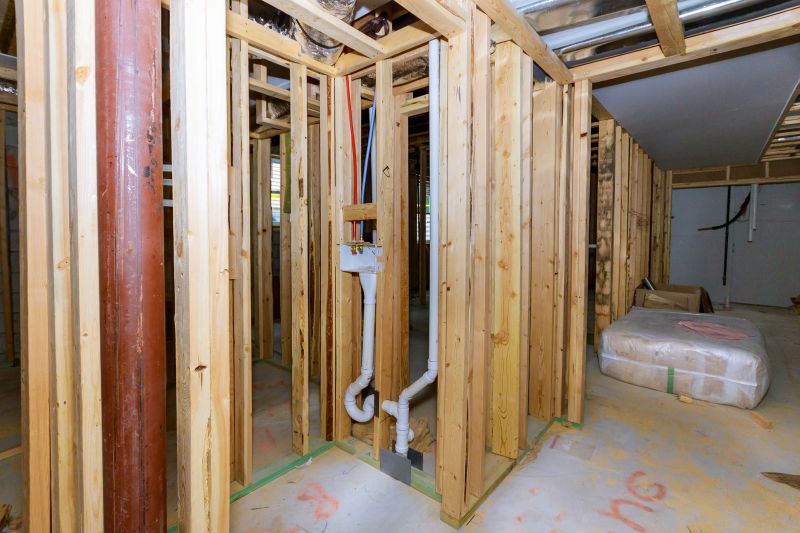
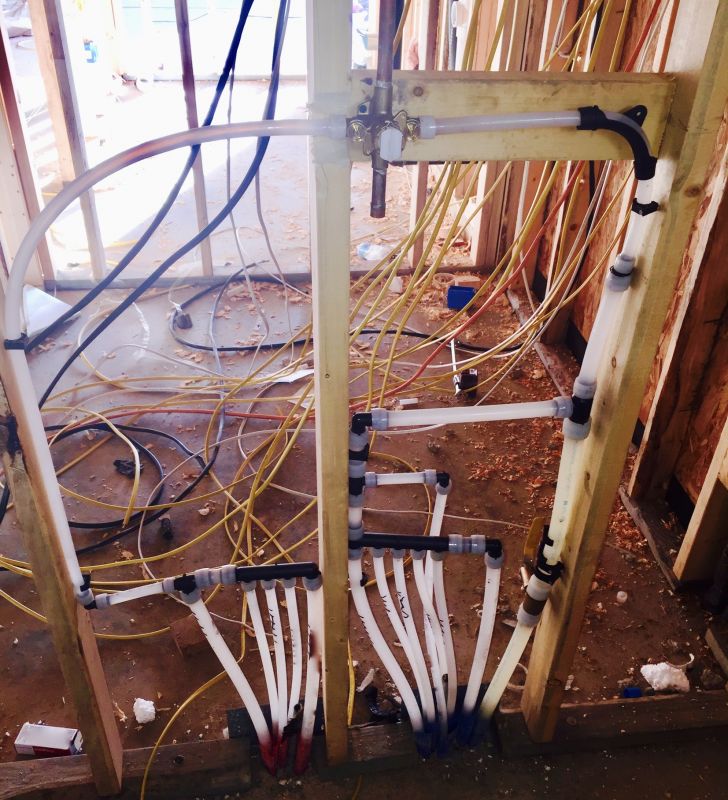
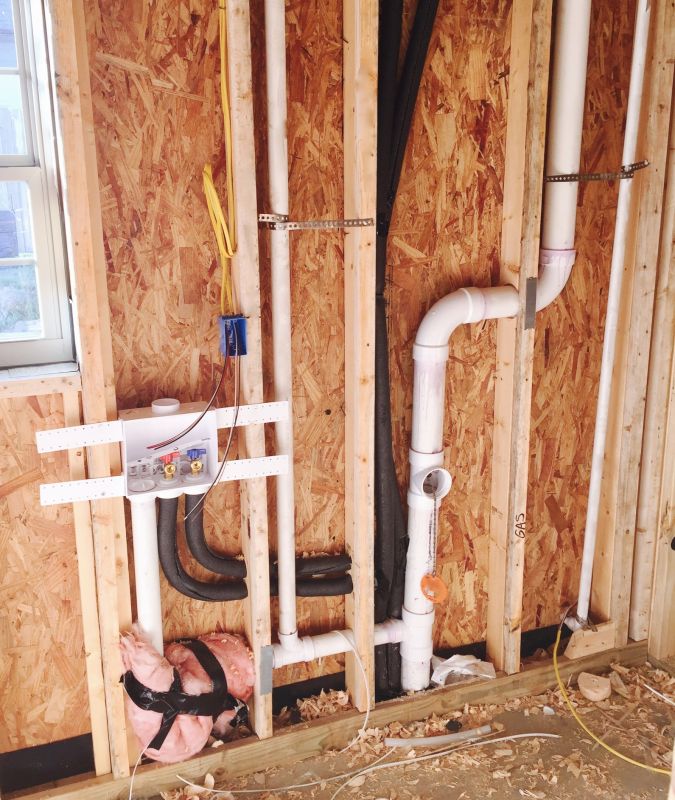
When homeowners search for plumbing planning tips for home additions and remodels, they are typically looking for guidance on how to integrate new plumbing features into existing systems or how to design plumbing layouts for new spaces. This often involves understanding how to extend water lines, drain systems, and venting to accommodate additional bathrooms, kitchens, laundry rooms, or other plumbing-heavy areas. Many are concerned about ensuring the new plumbing will function reliably and efficiently, avoiding future problems like leaks, clogs, or inadequate water pressure. Proper planning helps prevent costly rework during construction and ensures the added spaces meet everyday needs without overloading the current plumbing infrastructure.
These planning tips are especially relevant when addressing common issues that arise during home renovations, such as limited access to existing plumbing lines or outdated systems that may not support new fixtures. Homeowners may also be considering how to reroute or upgrade their plumbing to improve performance or comply with current building codes. Projects involving basement conversions, second-story additions, or kitchen expansions often require careful coordination with plumbing systems to ensure seamless integration. Local contractors experienced in remodeling and home additions can assess the property's existing plumbing layout, identify potential challenges, and recommend solutions that ensure the new plumbing setup is both functional and durable.
The types of properties that frequently come up in discussions about plumbing planning for home additions and remodels include single-family homes, especially those with older plumbing infrastructure, as well as multi-family buildings undergoing renovations. These properties often have unique plumbing needs based on their age, size, and existing layout. For example, an older home might require a complete overhaul of its plumbing system to support modern fixtures and increased demand, while a newer property might need strategic rerouting to accommodate a new bathroom or kitchen expansion. Understanding the specific property type helps homeowners connect with service providers who have experience handling the particular challenges associated with each project.
In practical terms, effective plumbing planning for home additions and remodels involves working closely with local service providers who specialize in these types of projects. These professionals can provide valuable insight into the best practices for extending or modifying plumbing systems, ensuring that new fixtures are properly connected and that the overall system maintains optimal performance. They can also help navigate building codes and permit requirements, which are crucial for a smooth renovation process. By collaborating with experienced local contractors, homeowners can gain confidence that their plumbing plans will support their new spaces reliably and efficiently, making the entire project run more smoothly from start to finish.
Bathroom Renovations - These projects require detailed plumbing planning to ensure proper water supply and drainage, making them closely related to home additions and remodels that involve bathroom upgrades.
Kitchen Remodels - Kitchen projects involve rerouting water lines and installing new fixtures, aligning with plumbing planning tips for home additions and remodels to ensure efficient water flow and drainage.
Basement Finishing - Converting basements often involves extending plumbing systems, requiring careful planning similar to that needed for home addition projects involving plumbing updates.
Laundry Room Installations - Adding or relocating laundry facilities demands precise plumbing arrangements, paralleling the skills used in planning plumbing for home renovations and additions.
Garage Conversions - Turning garages into living spaces often involves extending plumbing systems, which relies on similar planning and layout skills as those used in home addition plumbing projects.
Accessory Dwelling Units (ADUs) - Building ADUs involves integrating new plumbing lines into existing systems, requiring careful coordination with local contractors experienced in remodeling plumbing services.
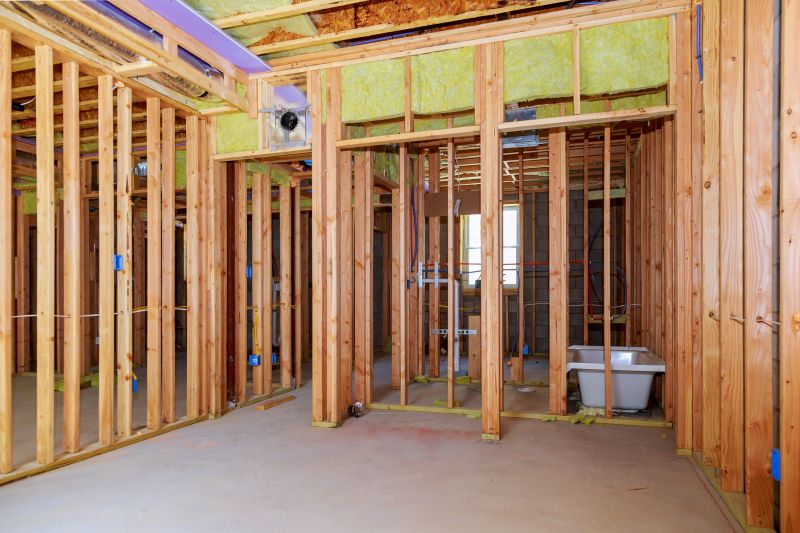
When comparing service providers for remodeling and home additions plumbing services, it is important to consider their experience with similar projects. Homeowners should inquire about the types of additions or remodels the contractors have completed in the past, ensuring they have a solid understanding of the complexities involved in plumbing planning for these types of projects. A contractor’s familiarity with the specific demands of home additions, such as new fixture installations or rerouting existing plumbing, can help ensure the work is handled efficiently and effectively. This experience can also provide insight into potential challenges that might arise during the project, allowing for better planning and fewer surprises along the way.
Clear written expectations are essential when evaluating local contractors for plumbing work related to home additions and remodels. Homeowners should seek detailed proposals that outline the scope of work, materials to be used, and the timeline for completion. Transparent communication about what the project entails helps prevent misunderstandings and ensures everyone is on the same page. Reputable service providers often provide comprehensive estimates that cover all aspects of the plumbing work, giving homeowners confidence that the project will proceed smoothly and according to plan.
Reputation and communication are key factors when selecting a plumbing contractor for remodeling and home additions. It is advisable to check references or reviews from previous clients who have had similar work done, as this can reveal the contractor’s reliability and quality of service. Good communication skills are equally important; a contractor who listens carefully, responds promptly, and clearly explains the process can make the entire experience less stressful. Ensuring that the service provider values transparency and maintains open lines of communication can contribute significantly to a successful project and a satisfying outcome.
Property owners often search for plumbing planning tips for home additions and remodels when they are planning practical projects around their homes and businesses. Local pros provide Remodeling and Home Additions Plumbing services for everyday jobs and straightforward project options.
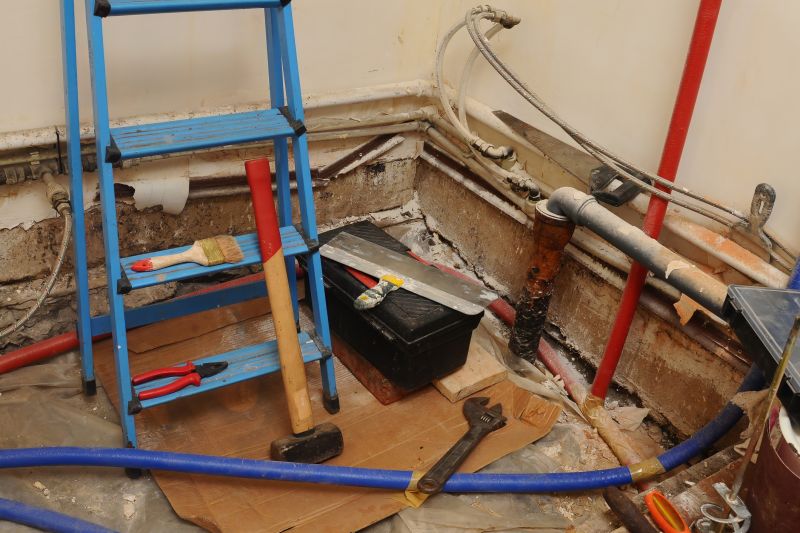
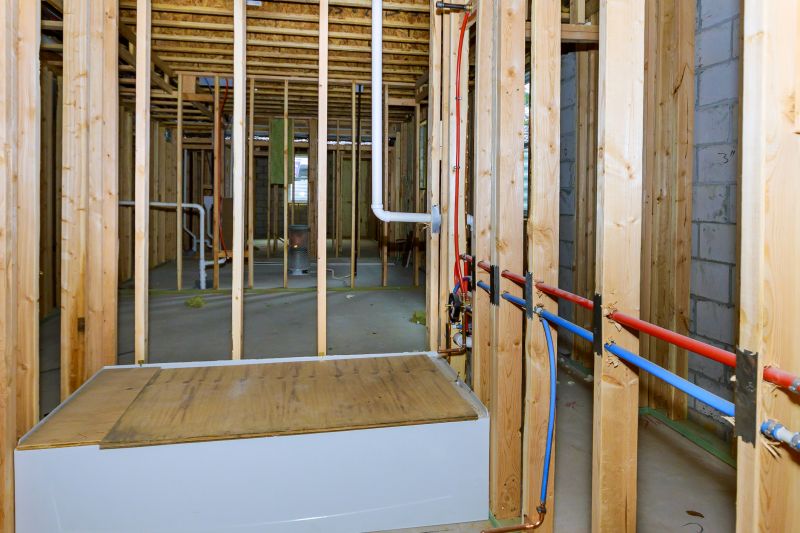
Homeowners planning to add new rooms or undertake remodels often seek plumbing planning tips for home additions and remodels to ensure their projects run smoothly. Properly integrating plumbing systems during renovations can prevent costly issues down the line and help maintain the functionality of the space. Many property owners in the area look for guidance on how to best coordinate with local contractors who specialize in plumbing services, ensuring that new fixtures, water lines, and drainage are installed correctly and efficiently.
Connecting with experienced service providers can make a significant difference in managing the complexities of plumbing during a remodel or addition. Local contractors familiar with the area’s building codes and infrastructure are well-equipped to handle the unique challenges of integrating new plumbing with existing systems. Property owners often turn to these professionals to ensure that their plans are feasible from a plumbing perspective and to help avoid common pitfalls that can delay or complicate the project.
What should be considered when planning plumbing for a home addition or remodel? It’s important to evaluate existing plumbing layouts, identify water supply and drainage needs, and ensure proper venting. Local contractors can assess the current system and recommend modifications to accommodate new fixtures efficiently.
How can I ensure my new plumbing will work with existing systems? Consulting with local service providers can help determine compatibility and necessary adjustments. They can review existing plumbing infrastructure and plan for seamless integration of new plumbing lines.
What are common challenges in plumbing planning for home additions and remodels? Challenges often include space constraints, maintaining water pressure, and proper drainage. Experienced local contractors can address these issues during the planning stage to prevent problems later.
Should plumbing be updated during a home remodel or addition? Upgrading existing plumbing components can improve reliability and meet new code requirements. Local pros can advise on whether updates are necessary based on the scope of the project.
What role do local contractors play in plumbing planning for home additions and remodels? They evaluate existing systems, design plumbing layouts, and handle installation, ensuring that the plumbing meets the needs of the new space and functions properly with the existing infrastructure.
Assess existing plumbing infrastructure - understanding current pipe layouts helps property owners plan effective additions or remodels with the help of local contractors.
Plan for future water needs - considering additional fixtures or appliances ensures plumbing systems can accommodate increased demand during renovations.
Design efficient pipe routing - thoughtful placement of pipes can minimize disruptions and reduce costs, with local service providers guiding optimal routes.
Coordinate with electrical and structural work - integrating plumbing plans early with other remodeling aspects helps prevent conflicts and ensures smooth project progress.
If you are thinking about plumbing planning tips for home additions and remodels for a property, this guide is meant to help you understand this topic, the typical project types, and how different options might fit your plans.
When you are ready, you can use the quote form on this page to share a few details about your project. From there, local pros can review the basics and follow up with options that match what you have in mind.