Get Piping Replacement
Piping replacement services help property owners fix old or damaged pipes, including kitchen, bathroom, and main line projects, ensuring reliable plumbing performance.
If property owners are considering piping replacement, they are likely looking for a reliable way to ensure the safety and functionality of their plumbing systems. Whether dealing with aging pipes, frequent leaks, or outdated materials, replacing pipes can be an essential step in maintaining a property’s value and preventing more significant issues down the line. Exploring local contractors who specialize in piping services can help identify practical solutions tailored to specific needs, making the planning process more straightforward and informed.
For those in the area evaluating their options, understanding the benefits of professional piping replacement can be a valuable part of project planning. Local service providers offer expertise that can address a variety of piping concerns efficiently and effectively. Comparing different contractors allows property owners to find the right fit for their project, ensuring that the work is completed to meet their property’s unique requirements. Keep reading to learn more about how local pros can assist with piping replacement services.
- Piping Replacement for Leaking Pipes - when aging or damaged pipes cause water leaks in residential or commercial properties.
- Emergency Piping Replacement - in cases of burst pipes or sudden pipe failures that require immediate attention.
- Upgrading Old Plumbing Systems - when older buildings need new piping to meet current standards and improve efficiency.
- Corrosion or Rusted Pipe Replacement - when corrosion or rust has compromised pipe integrity, leading to reduced water quality or flow issues.
- Pipe Replacement During Renovations - as part of remodeling projects to improve plumbing performance and accommodate new layouts.
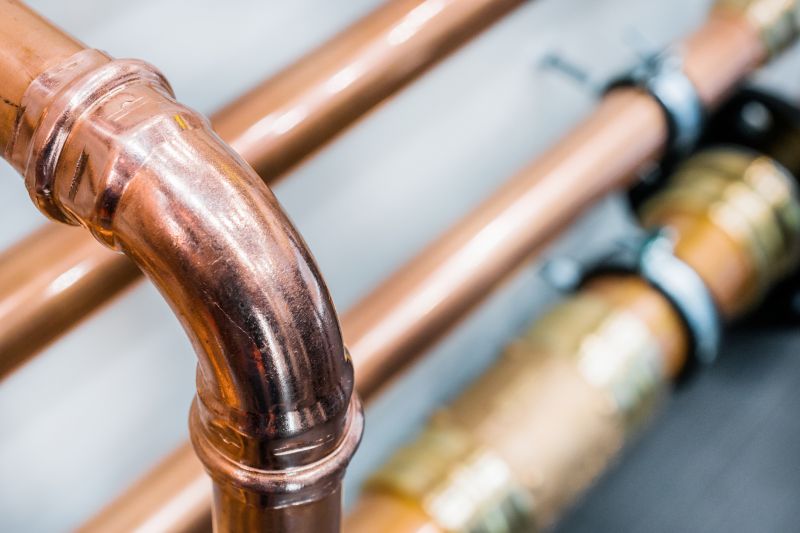
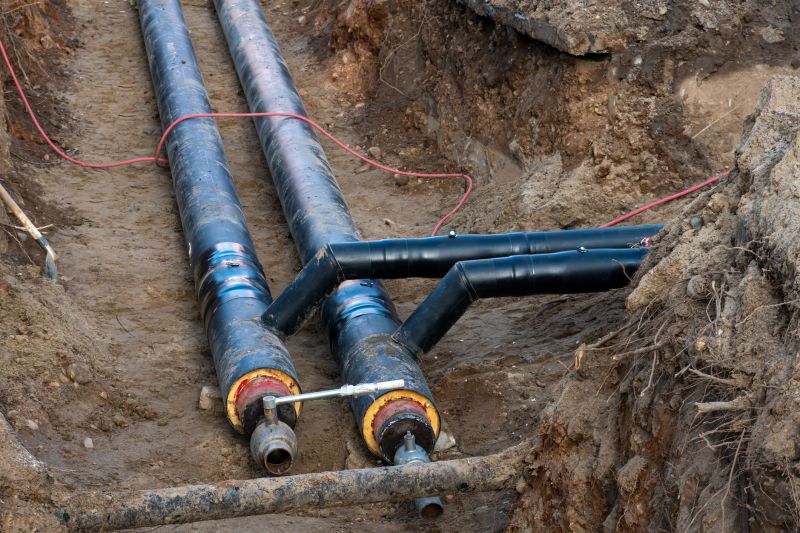
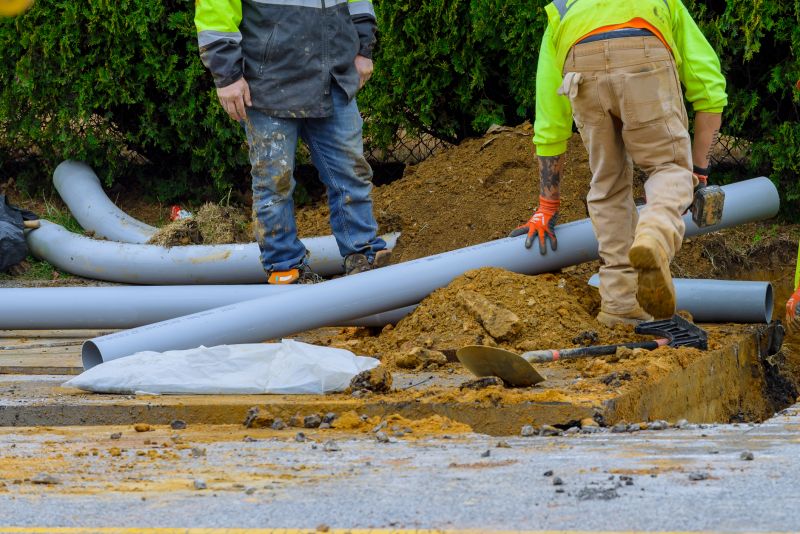
Piping replacement services involve removing old or damaged pipes and installing new ones to ensure the plumbing system functions safely and efficiently. This process typically includes assessing the existing piping, selecting appropriate materials, and carefully replacing sections or entire systems as needed. Skilled service providers use proper techniques to minimize disruption and ensure the new pipes are securely connected, helping to restore reliable water flow throughout a property.
Piping replacement is often necessary when homeowners experience frequent leaks, persistent clogs, or noticeable drops in water pressure. Over time, pipes can corrode, develop cracks, or become blocked due to buildup, leading to costly water damage or reduced system performance. Replacing aging or compromised pipes can prevent further issues, safeguard the property’s structure, and improve overall plumbing reliability.
Properties that benefit from piping replacement services include older homes with outdated plumbing systems, properties experiencing ongoing plumbing problems, or those preparing for renovations that require updated infrastructure. Commercial buildings, apartment complexes, and residential houses alike may need pipe replacements to meet current safety standards and ensure continuous, trouble-free water service. Local contractors can evaluate each property’s specific needs and recommend appropriate solutions.
Homeowners should consider piping replacement if they notice signs such as discolored or foul-smelling water, unexplained increases in water bills, or visible pipe damage. In cases where pipes are making unusual noises or there are frequent backups, professional assessment and possible replacement can help address underlying issues. Connecting with experienced service providers can ensure that the work is done correctly, providing peace of mind and a more dependable plumbing system.
The overview below groups typical Piping Replacement projects into broad ranges so you can see how smaller, mid-sized, and larger jobs often compare in your area.
In many markets, a large share of routine jobs stays in the lower and middle ranges, while only a smaller percentage of projects moves into the highest bands when the work is more complex or site conditions are harder than average.
Smaller Repairs - minor pipe replacements or repairs typically cost between $250 and $600, covering routine fixes for localized issues. Many routine jobs fall within this middle range, depending on pipe accessibility and material type.
Partial Replacement - replacing sections of piping can range from $1,000 to $3,000, especially for mid-sized projects involving multiple pipes or fixtures. Larger, more complex partial replacements tend to push toward the higher end of this range.
Full Pipe Replacement - complete replacement of plumbing systems generally costs between $4,000 and $9,000, depending on the size of the property and the number of pipes involved. Many full replacements fall within this range, with larger homes reaching higher costs.
Complex or Custom Projects - highly intricate or custom piping projects can exceed $10,000, particularly for large commercial buildings or extensive upgrades. These tend to be less common but represent the upper tier of potential costs.
Actual totals will depend on details like access to the work area, the scope of the project, and the materials selected, so use these as general starting points rather than exact figures.
Water Heater Replacement - This project involves removing and installing new piping systems to ensure proper water flow, similar to piping replacement tasks.
Bathroom Plumbing Remodels - Upgrading or rerouting pipes in bathroom renovations requires planning, tools, and skills comparable to piping replacement services.
Kitchen Pipe Repairs - Fixing or replacing damaged kitchen pipes involves similar techniques and knowledge of plumbing systems as piping replacement projects.
Drain Line Replacement - Replacing or repairing main drain lines requires precise planning and expertise in pipe handling, akin to piping replacement work.
Gas Line Installation - Installing or replacing gas lines involves careful planning and the use of specialized tools, paralleling skills used in piping replacement.
Sewer Line Repair - Repairing or replacing sewer lines demands similar excavation, pipe handling, and planning skills as piping replacement services.
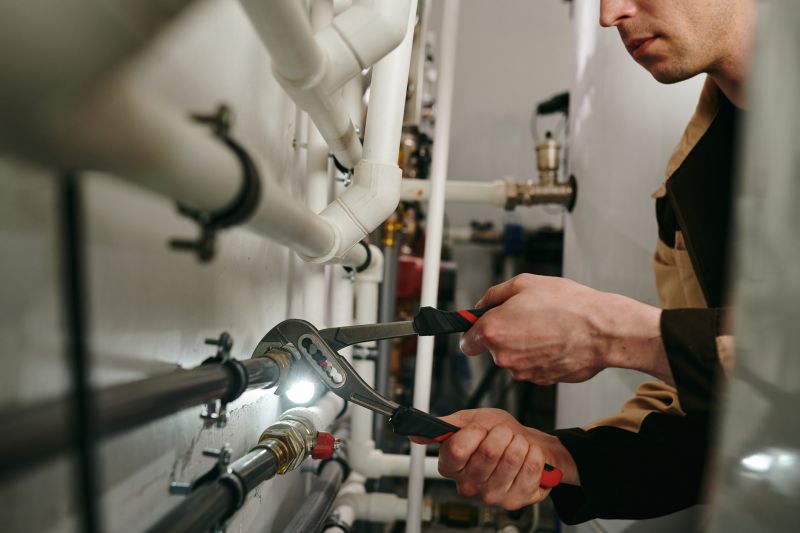
When comparing service providers for piping replacement, it’s important to consider their experience with similar projects. Homeowners should inquire about how many piping replacements they’ve completed and whether they have worked on properties comparable in size and complexity. A contractor with a proven track record in handling projects like yours can offer insights into potential challenges and demonstrate familiarity with local building codes and standards. This background helps ensure the selected contractor has the practical knowledge needed to deliver quality results efficiently.
Clear, written expectations are essential when evaluating local contractors. Homeowners should seek detailed proposals that outline the scope of work, materials to be used, and the steps involved in the piping replacement process. Having this information in writing helps prevent misunderstandings and provides a benchmark for comparing different service providers. It’s also beneficial to ask about warranties or guarantees on the work, as well as any maintenance recommendations, to ensure the project’s long-term success.
Reputable references and good communication are key factors in choosing a reliable piping replacement contractor. Homeowners should ask potential service providers for references from previous clients who had similar work done. Speaking with past customers can reveal insights into the contractor’s professionalism, timeliness, and quality of work. Additionally, a contractor’s responsiveness and clarity during initial conversations can indicate how well they will communicate throughout the project. Remember, the site’s role is to introduce homeowners to local options, not to perform the work itself, so gathering this information helps in making an informed decision about which service provider to engage.
Property owners use Piping Replacement services for practical projects around their homes and businesses. This guide focuses on everyday jobs and straightforward project options.
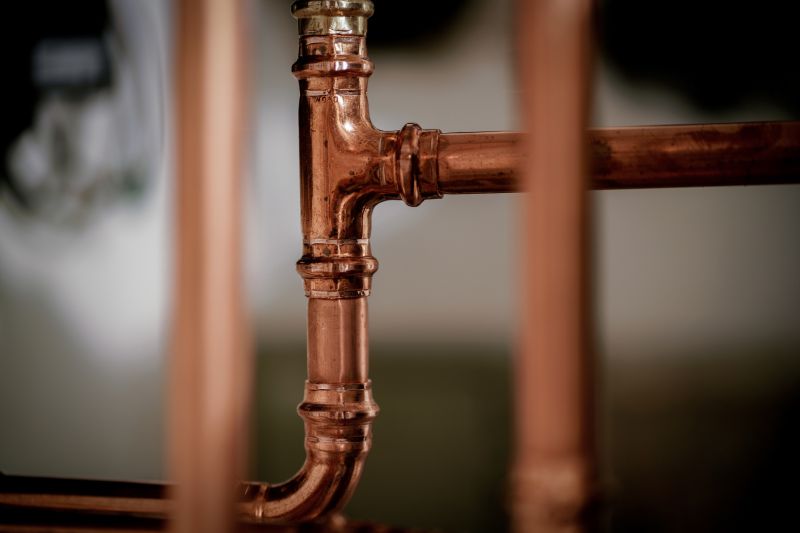
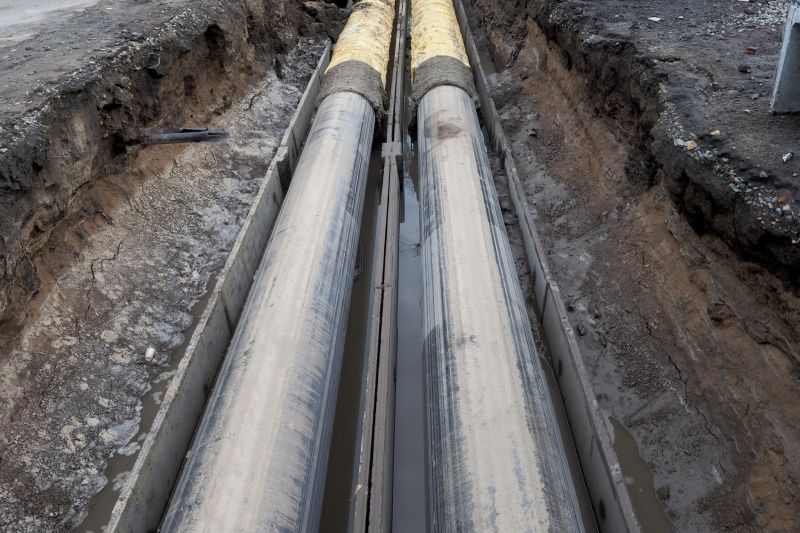
Piping replacement services are often needed when property owners notice leaks, corrosion, or reduced water pressure in their homes or commercial buildings. Over time, aging or damaged pipes can lead to water damage, mold growth, or increased utility bills, prompting residents to seek professional assistance. Local contractors who specialize in piping can assess the situation, recommend the appropriate solutions, and carry out replacements to restore proper function and prevent further issues.
In many cases, property owners may consider piping replacement during major renovations or when upgrading plumbing systems to meet new building codes. Additionally, older properties with outdated piping materials might require upgrades to improve safety and efficiency. Service providers in the area can handle these projects, ensuring that replacements are performed correctly and with minimal disruption to daily routines.
What are signs that piping replacement may be needed? Signs include frequent leaks, low water pressure, discolored water, or visible corrosion on pipes.
What types of pipes can be replaced by local contractors? Common pipe materials that can be replaced include copper, galvanized steel, and plastic (PVC or PEX).
How do local service providers typically handle piping replacement? They assess the existing plumbing, recommend suitable pipe options, and perform the removal and installation process.
Are there different piping replacement options available? Yes, options vary based on pipe material, location, and the building's plumbing system, allowing for tailored solutions.
What should be considered before scheduling piping replacement? Factors include the age of existing pipes, plumbing layout, and the need for any related repairs or upgrades.
Preventing Water Damage - Replacing aging or damaged pipes can help avoid leaks that lead to water damage and mold growth in the home.
Improving Water Quality - Upgrading outdated piping systems can enhance water flow and reduce contaminants for safer, cleaner water.
Increasing Home Value - Modernizing plumbing with new pipes can boost property value and appeal to future buyers.
Supporting Renovation Projects - Piping replacement can be part of kitchen or bathroom remodels to ensure reliable plumbing during upgrades.
If you are thinking about Piping Replacement for a property, this guide is meant to help you understand the work, the typical project types, and how different options might fit your plans.
When you are ready, you can use the quote form on this page to share a few details about your project. From there, local pros can review the basics and respond with options that match what you have in mind.